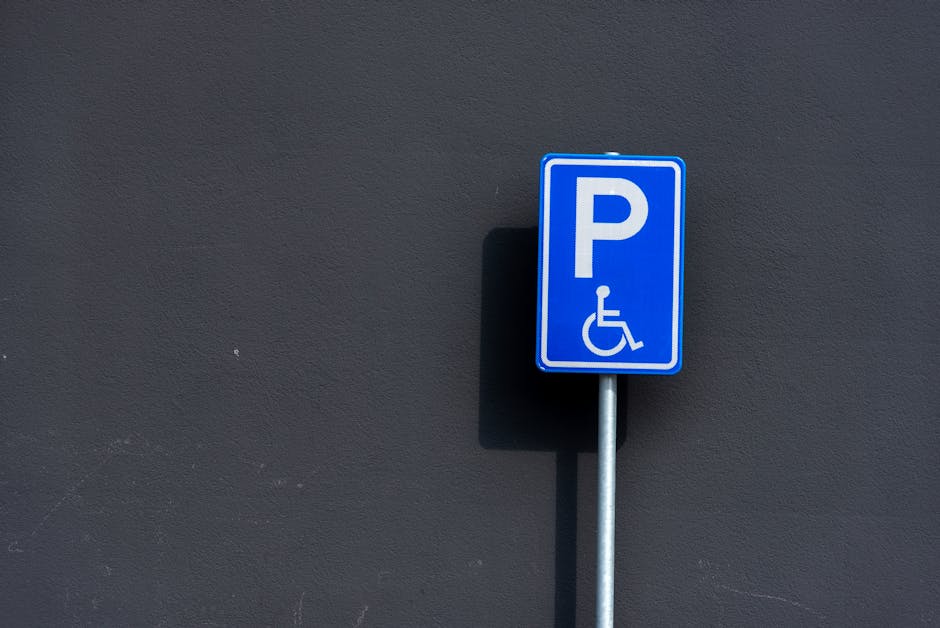
Common problems with parking and access for Epsom removals
Moving house in Epsom can feel straightforward on paper, and then moving day arrives. Suddenly there's a tight road, a busy school run, nowhere sensible to stop, and a sofa that looks far larger than it did in the lounge. That is exactly why the common problems with parking and access for Epsom removals deserve proper planning. Parking may sound like a small detail. In real life, it can be the thing that slows everything down, increases lifting distances, or turns a calm morning into a slightly chaotic one.
This guide walks through the practical issues people run into, why they matter, and what to do before the van turns up. You'll find clear advice for houses, flats, shared driveways, permit streets, and awkward entrances, plus a checklist and a realistic example from a typical Epsom move. Let's make the day smoother. No drama, fewer surprises.
Why Common problems with parking and access for Epsom removals Matters
Parking and access are not just logistics. They shape the whole pace of the move. If the removals van cannot get close enough to the front door, every item takes longer to carry. That means more labour, more time, more fatigue, and sometimes more risk of scratches, scuffs, or strained backs. In a place like Epsom, where you may have a mix of residential streets, flats near the centre, and tighter roads around older properties, access issues are more common than people expect.
What makes this topic important is the knock-on effect. A van blocking traffic for ten minutes sounds minor until it turns into neighbour complaints, a rush to reposition, or a stressed team trying to work around parked cars. If you have ever watched a mattress pivot in a narrow hallway while someone mutters, "Well, that's not ideal," you know the feeling. It starts with parking. It becomes the whole mood of the move.
For customers, the main issue is predictability. If access is understood in advance, the move can be timed properly, the right vehicle can be selected, and the crew can bring the right equipment. If it is not understood, you get avoidable delays. Simple as that.
There is also a trust element. Clear parking planning shows that the moving company has thought beyond the van itself. That matters to families moving from a terraced house, students in shared accommodation, office managers dealing with loading restrictions, and anyone who does not fancy paying for avoidable extra time. Truth be told, parking is one of those unglamorous details that quietly decides whether the day feels controlled or messy.
How Common problems with parking and access for Epsom removals Works
Good removal planning starts before moving day, usually with a look at both the origin and destination addresses. The mover needs to understand where the vehicle can stop, how far it will be from the property, and whether there are any practical barriers such as steps, gates, low arches, shared courtyards, narrow entrances, or resident-only parking. From there, the move is planned around the real conditions on the ground rather than assumptions.
In practice, this means asking questions like:
- Can the van park directly outside, or only nearby?
- Is there room to load safely without blocking junctions or driveways?
- Are there height restrictions, width limits, or awkward turning points?
- Will there be roadworks, controlled parking, or school-time congestion?
- Are neighbours likely to leave cars in the best loading spot?
The answer to those questions determines the approach. Sometimes the solution is simple: arrive earlier, use a smaller vehicle, or split the load into two trips. Sometimes the property needs more coordination, such as arranging temporary parking, using a parking bay nearby, or staging items at the door so loading is quicker. For Epsom removals, that sort of practical thinking often makes the biggest difference.
Access is not only about parking, either. A van may be perfectly positioned, but if the path to the front door is uneven, narrow, muddy, or shared with other residents, the carrying route still slows everything down. A removals team will often think in terms of loading distance and carry route. Those are just simple phrases for how far items need to travel between the property and the vehicle. The shorter and clearer the route, the better the move tends to go.
And yes, some jobs are more fiddly than others. A third-floor flat with no lift is not the same as a detached house with a wide drive. Anyone who has hauled a washing machine down a twisty stairwell will tell you that. Once.
Key Benefits and Practical Advantages
Planning parking and access properly gives you more than convenience. It protects the move from a long list of avoidable irritations.
- Faster loading and unloading: closer parking means fewer steps and less wasted time.
- Lower risk of damage: shorter carry distances reduce the chance of knocks to furniture, walls, and door frames.
- Less stress on the day: if the access plan is clear, nobody is improvising under pressure.
- Better crew efficiency: movers can focus on handling, not on wrestling with parking problems.
- More accurate scheduling: a realistic access plan helps avoid overruns and rushed finishes.
- Safer working conditions: clear parking and unloading space reduce trip hazards and awkward lifts.
One practical advantage that people sometimes overlook is neighbour relations. If your van is not parked properly, or if it blocks a shared entrance for too long, friction can start before the first box is on board. A tidy access plan keeps everyone happier. Not glamorous, but useful.
Another benefit is better packing strategy. When the van can park close, heavier items can be loaded in a more logical order. That helps with stacking and makes the whole vehicle safer in transit. It is one of those behind-the-scenes details that does not sound exciting until you need a sofa not to slide into a lamp.
Who This Is For and When It Makes Sense
This matters for almost anyone moving in or out of Epsom, but some people need to think about it more carefully than others.
- Home movers: especially if the property sits on a narrow road, a busy residential street, or a steep driveway.
- Flat movers: access routes, stairwells, lifts, and communal parking can all complicate the day.
- Students: shared accommodation often means little parking space, lots of competing vehicles, and not much patience from neighbours.
- Office movers: city-centre-style loading rules, building management, and timed access can be a headache if not planned.
- Anyone with bulky items: pianos, wardrobes, appliances, or large sofas are far easier to manage when the van can stop close by.
It also makes sense if you are moving at a busy time, such as a Friday afternoon, the school run, or a weekend when streets are fuller than usual. In our experience, a move that looks easy at 10 a.m. can feel completely different at 4 p.m. when cars are back on the road and everyone wants the same space.
If your property has any of the following, you should give parking and access extra thought:
- permit-only parking nearby
- limited curb space
- shared driveways
- steps from the road to the entrance
- low branches, arches, or tight turning points
- limited lift access or no lift at all
To be fair, most people do not think about these things until moving day. That is normal. The point here is simply to catch them early enough to make sensible decisions.
Step-by-Step Guidance
Here is a practical way to handle parking and access for a removals job in Epsom without overcomplicating it.
- Check both addresses carefully. Look at the street view, the width of the road, the entrance, and where a van might physically stop. If you can visit in person, even better.
- Measure the obvious bottlenecks. Note stair widths, hallway turns, gate openings, and any low ceilings or tight corners. A few measurements can save a lot of guesswork.
- Think about loading distance. Count the number of steps between the van and the front door. A short carry is one thing; a long carry with boxes in the rain is another story entirely.
- Ask about parking rules. Find out whether you need a resident permit, a visitor bay, a loading bay, or a temporary arrangement. If the street is controlled, do not assume the space will be available.
- Flag access issues early. Tell the removals team about shared entrances, narrow lanes, access codes, concierge desks, or anything that could delay entry.
- Choose the right vehicle size. A large van is not always the best van. On some streets, a smaller vehicle is more practical because it can park closer and make the day move faster.
- Plan for the busy parts of the day. Avoid school-run peaks, peak commuter traffic, and times when neighbouring cars are likely to return.
- Prepare the route. Move bins, bikes, plant pots, and anything else that narrows the path. It sounds minor. It is not minor when someone is carrying a wardrobe.
- Keep essentials separate. If access gets awkward, have your key documents, phone charger, water, and first-night items in one easy-to-reach bag.
- Do a final walk-through. Before the van arrives, check the parking space, the front path, and the loading route one more time. A quick five-minute check can save twenty later.
A small but useful tip: if you expect a difficult access point, take photos. A picture of the road, the entrance, and the parking situation gives far more clarity than a vague description over the phone. Sometimes the difference between "that should be fine" and "oh, that is a tight one" is one photo.
Expert Tips for Better Results
People often ask what really makes the difference on jobs with awkward access. The answer is usually not one big trick. It is a handful of small, sensible decisions.
- Book earlier for tighter streets. Earlier start times often mean better parking options and cooler temperatures, which is nicer for everyone if the day runs long.
- Use a shuttle approach if needed. If the van cannot park at the door, smaller carries from a nearby safe stop can be more efficient than trying to force a poor parking position.
- Protect the route. Door frame protectors, furniture blankets, and floor protection are worth having when the carry route is narrow or shared.
- Pre-pack awkward items strategically. Heavy or oddly shaped items should be ready to go first, not last, when access is tight and energy is still fresh.
- Communicate with building managers early. This is especially helpful for flats and offices where someone may need to open a gate, hold a lift, or confirm a loading point.
- Leave a little buffer in the schedule. Access problems rarely happen exactly as planned, do they? A bit of slack keeps the whole day calmer.
Another practical point: if the road is narrow, think about how the van will leave as well as how it will arrive. A spot that looks fine for parking can become a problem if there is no safe way to turn around. That detail gets missed more often than people think.
And here is a tiny human truth. Everyone wants the move to feel "simple." Fair enough. But simple usually comes from planning, not luck. Lucky moves exist. Relying on luck, not so much.
Common Mistakes to Avoid
Parking and access issues are usually manageable, but a few recurring mistakes cause most of the stress.
- Assuming the van will fit anywhere. It often does not. Road width, parked cars, and turning space matter.
- Not checking the access route to the door. A vehicle space is only half the story if the path to the property is awkward.
- Forgetting permit restrictions. Some streets look open but have rules that are easy to miss.
- Ignoring time-of-day traffic. A road that is manageable at 9 a.m. may be frustrating by lunchtime.
- Underestimating communal areas. Flats, shared drives, and office buildings can have more rules than expected.
- Not warning the moving team about obstacles. Steps, gates, tight corners, and low ceilings should be mentioned upfront, not discovered mid-carry.
- Leaving too many loose items in the way. Bikes, wheelie bins, and garden furniture can slow the load more than people realise.
The big one, really, is last-minute optimism. "It'll probably be fine" is not a strategy. Sometimes it works out. Often it just means extra lifting and a more tiring day than necessary.
Tools, Resources and Recommendations
You do not need specialist equipment to plan parking and access well, but a few simple tools make the job easier.
- Phone camera: take photos of the road, entrance, and any tight spots.
- Measuring tape: useful for doors, hallways, stairs, and large furniture.
- Notebook or move checklist: keep parking notes, permit details, and access codes together.
- Navigation app: helpful for checking road layout, nearby turning points, and likely traffic pinch points.
- Labels and notes: mark boxes that must be unloaded first if access is likely to be fiddly.
For a more complete move, related services can also help. If packing is part of the issue, packing and unpacking services can reduce the amount of time everything spends near the door. If the move involves bulky furniture, furniture removals or house removals may be a better fit than a quick DIY approach, especially where access is tight.
It can also help to review general mover guidance from a trusted local provider. Pages like removal services and pricing and quotes are useful when you want to understand how access conditions can affect the overall job. No surprises is the goal.
If the job is time-sensitive, the option of same-day removals may suit certain last-minute moves, although access planning becomes even more important when the timeline is tight.
Law, Compliance, Standards, or Best Practice
For parking and access, the main concern is usually not complex law but sensible compliance with local rules and safe working practice. In the UK, parking restrictions, permit bays, loading restrictions, and road use conditions can vary street by street. If your move involves controlled parking, you should check the arrangements in advance rather than assume temporary stopping will be tolerated.
Best practice is straightforward:
- do not block access for neighbours or emergency vehicles
- do not park where a vehicle could create avoidable danger
- respect signs, permit rules, and building access procedures
- make sure loading is carried out safely and with enough space to manoeuvre
- communicate clearly with the removals team and, where needed, building management
If you are moving from a flat or managed building, there may be additional rules about loading times, lift booking, or vehicle positioning. These are usually practical building rules rather than legal mysteries, but they still matter. Ignoring them tends to create delays. Not ideal.
Insurance and safety also matter here. A careful mover will think about how the access route affects the risk of damage or injury. Pages such as insurance and safety and health and safety policy are useful touchpoints if you want to understand the standards behind a professional approach.
As with most moving jobs, the best practice is simple: plan honestly, act safely, and avoid shortcuts that make the day harder later.
Options, Methods, or Comparison Table
Different parking and access setups call for different methods. Here is a practical comparison to help you think it through.
| Situation | Best approach | Why it works | Common risk if ignored |
|---|---|---|---|
| Wide driveway with clear access | Park close and load directly | Shortest carry distance and fastest turnaround | Still check for low branches or turning space |
| Narrow residential street | Use a smaller van or nearby stopping point | Better chance of safe parking and easier manoeuvring | Blocking traffic or increasing carry distance |
| Flat with shared entrance | Confirm building access and loading route in advance | Reduces delays at doors, lifts, and gates | Waiting around while someone finds keys or codes |
| Permit-controlled road | Arrange lawful parking or loading permissions early | Avoids fines and interruptions | Unexpected parking enforcement or relocation |
| Bulky furniture or appliances | Clear routes, protect surfaces, and stage items near the door | Makes handling safer and quicker | Damage to walls, doors, or the item itself |
If you are deciding between a full removals team and a simpler vehicle-only solution, think about the access first. For awkward streets and heavy furniture, a proper team can be worth far more than a bargain van hire. If you only need a lighter move, man and van or removal van options may be enough. It depends on the route, the load, and how much carrying you want to do yourself.
For commercial or larger moves, commercial moves and office removals bring extra scheduling and access considerations, especially where loading bays and building management are involved.
Case Study or Real-World Example
Imagine a fairly typical Epsom move: a family leaving a terraced house near a busy road, with one car already parked outside, a narrow pavement, and a front path that turns slightly at the gate. The van cannot sit directly in front of the house for long because the road is active and parking is tight. On top of that, the largest sofa needs to pass a lowish hallway light, and there is a neighbour's hedge leaning a little too confidently over the boundary. You get the idea.
What happens next depends on preparation. In the smoother version of the day, the movers arrive with enough information to park a little further along the street, carry smaller loads at a steady pace, and protect the route before any big items come out. The family has already moved bins and bikes out of the way. The key is that nobody is surprised by the situation.
In the less prepared version, the team discovers the parking issue after arrival, the street starts to feel tighter as more cars appear, and the biggest items are still in the house when everyone is already losing time. Not a disaster, but tiring. And tiring is often what people remember most.
The practical lesson is simple: the move itself may be perfectly ordinary, but the parking and access conditions can change the whole feel of the day. A small amount of planning turns "this is a bit of a faff" into "actually, that went okay."
That is the goal, really.
Practical Checklist
Use this quick checklist a day or two before moving.
- Confirm the exact addresses and entrance points
- Check whether parking is permitted outside or nearby
- Look for permit rules, loading restrictions, or timed access
- Measure any narrow doors, stairwells, or gates
- Take photos of difficult access points
- Clear the route from the door to the van
- Move bins, bikes, garden items, and clutter out of the way
- Tell the removals team about lifts, codes, or shared entrances
- Keep essentials in one easy-to-carry bag
- Check weather conditions if the carry route is exposed
- Confirm arrival time and any building booking slots
- Have a backup plan if the closest parking space is taken
If you can tick most of those off, you are in a much better place. Not perfect, perhaps, but much better. And perfect is overrated on moving day anyway.
Get a free quote today and see how much you can save.
Conclusion
The common problems with parking and access for Epsom removals are rarely dramatic on their own. A narrow street, a permit bay, a long carry, a tight stairwell - each one sounds manageable. Put them together, though, and they can turn a simple move into a long, tiring one. That is why the best moving days usually start with good questions, honest planning, and a realistic look at the route from van to front door.
If you handle the access side properly, almost everything else becomes easier. The crew works faster, the load is safer, and you get through the day with fewer surprises. That is what most people want, even if they do not say it out loud.
So take the time to check the street, the parking, and the carry route. It is a small effort that pays back in calm, and calm is worth quite a lot when the kettle's packed and the sofa is halfway out the door.
Frequently Asked Questions
What are the most common parking problems during Epsom removals?
The most common problems are narrow residential streets, permit-only parking, busy school-run traffic, blocked kerbs, and not having enough space to load safely. Flats and shared drives can add extra complications.
How far from the property can the removals van park?
That depends on the street layout and the size of the load. In general, the closer the van can park, the smoother the move will be. If the vehicle has to stop further away, the removals team may need more time and more carrying effort.
Do I need to arrange parking myself for a removals van?
Often, yes, or at least you should check the local rules and explain the situation clearly. Some streets need permits or careful timing. Even if the mover helps with planning, it is worth confirming what is allowed at both addresses.
What should I do if my road has no obvious parking space?
Tell the removals company as early as possible. A smaller van, a nearby legal loading spot, or a staggered loading plan may be the best answer. The worst thing is to leave it until moving day and hope for the best.
How do access issues affect the cost of removals?
They can affect time, crew effort, and sometimes the vehicle or method used. A long carry or difficult stair access may take longer than a direct ground-floor load. For a clear picture, it helps to discuss access before getting a quote.
Are flats harder to move from than houses?
Often they are, because there may be shared entrances, lifts, stairs, and limited parking. That said, some flats are easier than houses with long drives or awkward turns. It really comes down to the specific layout.
Can a smaller van help with tight parking in Epsom?
Yes, in many cases it can. A smaller vehicle may fit more easily on a narrow street or in a tighter bay. The trade-off is capacity, so it depends on how much you need to move and how many trips are realistic.
Should I warn the removals team about stairs and gates?
Absolutely. Stairs, gates, low ceilings, narrow hallways, and shared access points all affect the move. The more accurate the information, the less likely you are to run into delays on the day.
What time of day is best for removals where parking is difficult?
Earlier is often better, especially on residential streets where parking spaces fill up quickly. Early starts can also help avoid traffic and give you a little breathing room if things take longer than expected.
How can I make loading quicker if parking is awkward?
Clear the path, pre-pack items properly, keep essentials separate, and stage boxes near the door where possible. Taking photos and measuring the tight spots in advance also helps the team plan the safest route.
What if another car takes the parking space we planned to use?
It happens. A good backup plan matters, so identify an alternative nearby stop in advance. If the first option is gone, you will not be left staring at the street thinking, well, now what?
Is parking and access planning important for same-day removals too?
Yes, probably even more so. When the schedule is tight, delays caused by parking or access issues can have a bigger impact. Planning ahead gives you a much better chance of keeping the move on track.